
“So, if you’re so good at SEO, I should be able to google “Chicago SEO consuktant” and see you right at the top, right?”
It wasn’t the first time I’d been asked this.
But hopefully, it’d be the last.
In fact, this wasn’t even the first time somebody had falsely associated being good at SEO with being ranked #1 for [insert most obvious keyword here].
When I first started my jiu jitsu gi company in 2012. I talked to another brand owner with more experience in SEO and he told me that he used to rank #1 for “jiu jitsu gi” and it brought in almost no sales.
He said that people wanted to compare uniforms and he was better off helping a store that carried his brand rank for that term, than himself. Additionally, the sales that it did bring in, often wanted to return gis at a higher rate than other buyers (great for a big store, bad for a small brand).
I’ve always felt the same about the SEO industry and “SEO” keywords.
By “SEO” keywords, I mean ranking for keywords like:
- Backlinks
- City+ SEO
- What is SEO?
- SEO tips
- SEO tools
- Free SEO tools
- SEO tolls (not a thing. Just wanted to see if you were paying attention).
What people outside our industry fail to realize is that ranking for these keywords is not a sign of skill. It’s a pissing contest between SEOs to see who can get the most backlinks to their blog about SEO from other backlink SEO blogs.

I believe it’s both a ton of work, and worth very little unless you’re trying to sell a course on SEO based on how well your website ranks for SEO terms. It’s the same as the most popular YouTube channel about starting a YouTube channel.
In fact, here’s the REAL results of ranking on the first page for “Chicago seo consultant” for over a year:
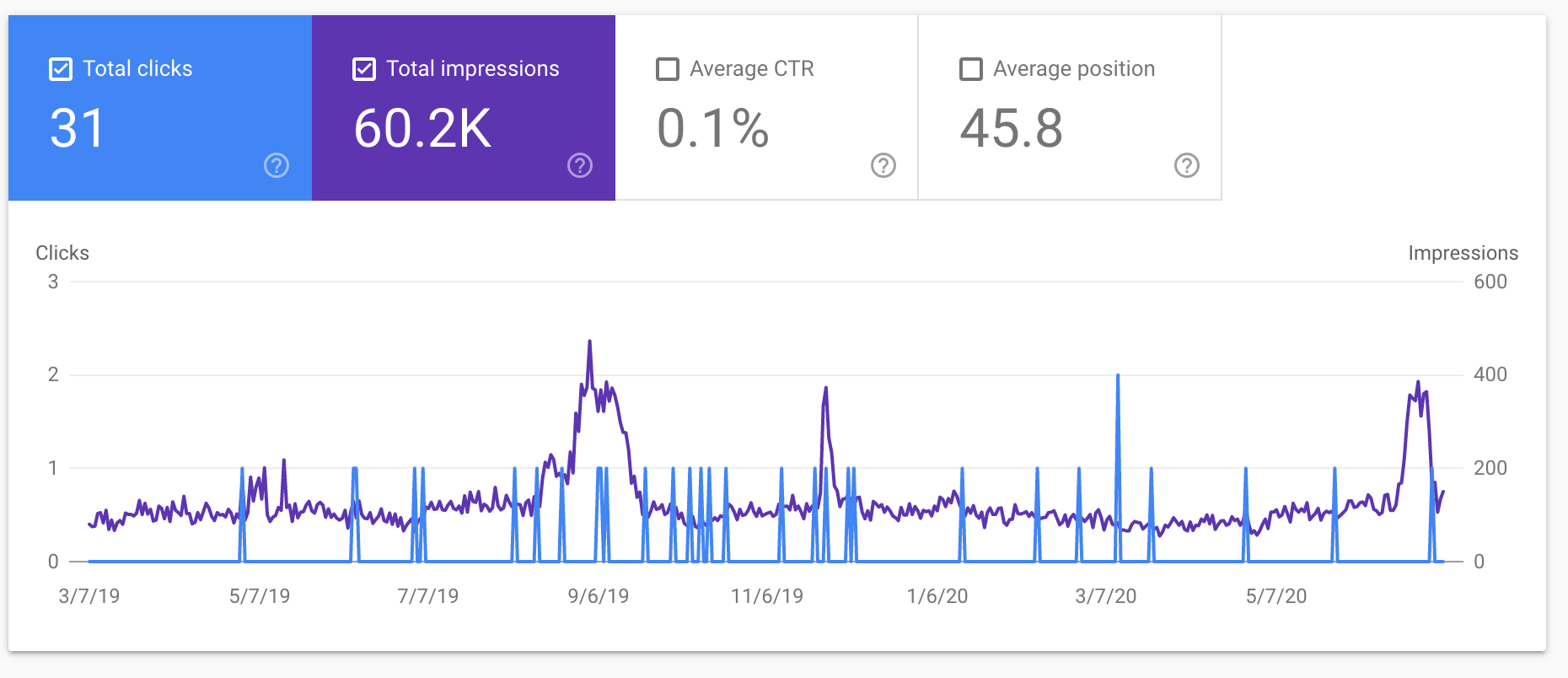
So more recently, when I was reading a great article about SEO and I noticed there was a Click-to-Tweet link that said something to the effect of “click here to see why I don’t rank for Philadelphia SEO,” I couldn’t resist clicking and tweeting:
Hey @nick_eubanks why is it a complete waste of time to rank for local seo service keywords? #FailboatSEO #CauseTheyCheapBastards
— Brendan 👉 FOLLOW ME ON THREADS & LINKEDIN ⚡️ (@BrendanHufford) March 7, 2018
But, when I searched the hashtags attached, I found a previous tweet Nick had answered that brought me a bit further down the path of how I was considering things.
These searches are done by the least sophisticated clients… the leads they generate will always have the smallest budget and take the most of your time.
More sophisticated queries lead to more sophisticated clients (and bigger budgets)
— nick Ξubanks (@nick_eubanks) February 19, 2018

Maybe I wasn’t so crazy for thinking it’s a waste to try to rank for those search terms. I reached out to Nick directly and here’s what he said (emphasis mine):
“Back in the day when I had my first ever agency, I thought ranking for local service terms was really important. We helped rank local service keywords for lawyers, accounts, dentists, and plumbers – and I saw first hand the leads it generated, so why wouldn’t it be the same for SEO.
Because unlike other local services, where the client doesn’t need to be educated (which tends to be the case for folks turning to Google to find vendors), having uneducated clients in SEO makes your job twice as hard.
Once upon a time, my first agency (atomni) ranked #1 for a handful of “SEO Philadelphia” and “SEO companies Philadelphia” terms, and they were, by far, the worst leads. Beyond simply not understanding why I couldn’t rank them #1 for all the keywords they wanted within 1 month, these people always had next to no budget and couldn’t understand why the service would cost anymore than $200, at best.” – Nick Eubanks, From the Future
I’m a member of Traffic Think Tank (TTT), of which Nick is a co-founder, so I wanted to see what the other two co-founders had to say.

I first reached out to Ian Howells. Ian’s bio reads as follows:
His agency work began in 2007, eventually landing him at Red Ventures where he managed a book of business worth millions per month. He now leads SEO at LendingTree, where his career depends on ranking for terms like “car loans” and “debt consolidation.”
So I don’t feel bad admitting Ian has forgotten more about SEO than I know.
“All of my consulting interest comes from either people in my network or current clients. Trying to rank for stuff like “Charlotte SEO” feels like something that would just lead to a lot of leads coming in who likely don’t really understand SEO or what would be involved.
If you’re up for doing lots of education in the sales process, or have figured out a way to really work through a lead pipeline to filter to just what you want, it could be worth it. For me, that’s so far from what I want to be spending time on that targeting those terms isn’t even a think I think about at all.” – Ian Howells SEO Director – Lending Tree / Partner – Traffic Think Tank
Another confirmation.

Which led me to Matt, former Global Head of SEO (and current Director of Acquisition) for Hubspot:
“Honestly, the amount of time and resources that you’d invest in going after those broad terms is likely not worth it – the exception being that it can be worth going after the location-based terms if you’re focused on selling local SEO services, or just want to own this from a branding play.
From my experience, you’ll generate much more qualified and generally higher quality leads from search if you bring them into informational content, like case studies, etc. that show off your expertise.” – Matthew Howells-Barby, Director of Acquisition – Hubspot / Partner – Traffic Think Tank

I wanted to reach out to two other super-smart SEO experts, so I started with Tony Gilbert, who not only contributes some of the most thoughtful responses in TTT, but also doesn’t pull any punches.
“In terms of time & money spent, one could probably get many more leads by educating others, attending conferences, and personal networking, in place of chasing highly competitive terms with traditional SEO. Going the “belly-to-belly” route is easier & cheaper (and more fun?) compared to sitting behind a keyboard; and, I’d argue, increases your leverage in the long-run, regardless of whether or not you’re visible in Google.
If someone had crazy budgets, then I might say “go for it.” But for those of us in the real world, we usually have to find creative ways to navigate around these top-level money terms.” – Tony Gilbert, RealFX

I think very highly of the team at Siege Media, having read a few of their articles and believe it’s no surprise the content they create for their clients ranks so well. I reached out to Ross, from Siege, with the same questions. Is it worth it to rank for broad SEO-terms or for local SEO searches?
“I think generally, services pages send low quality leads. One reason is these are “comparison searches”. As a service vendor, you don’t want to be comparison shopped, you want to be the go-to. That comes from thought leadership, which is why I do think ranking for some bigger SEO keywords and-or long tail can’t hurt. You’re unlikely to get leads that second, but you can move them into the long-term funnel by following you and/or signing up for your email list, which can be valuable down the line.
I think it’s still worth trying to rank for those keywords, as sure, why not, because everyone needs a service page regardless so you might as well align it to your location+offering. But yeah, I wouldn’t recommend anyone lose sleep over the lack of ranking or slave too hard to get it.” – Ross Hudgens, Siege Media
Finally, Nick Leroy added some great insights:
“As someone who ranked #1 for “Minneapolis SEO” for nearly 2 years, I can validate that it drove little to no leads. The leads that it did drive, were very similar to Nick Eubanks (quoted above) in that it drove very low-quality leads. If I’m being completely honest, it was a pure ego stroking ranking. Nowadays I’d much rather cash checks then puff my chest out ranking for ‘trophy keywords'”. – Nick LeRoy
So maybe I’m not insane. I was totally ready to be proven wrong on this point and be told, “No, I’ve ranked for those high-level SEO terms and they were totally worth it.”
But they aren’t.
- They’re a race to the bottom and commoditize your business.
- It costs a lot of time and/or money to rank for them.
- The leads they bring in are poor.
- They’re literally only useful if you’re looking to sell a course on backlinks to a group of people that are impressed that you rank first for “backlinks.”
And since I think that’s both stupid and a colossal waste of time. I’m out.
In the meantime, I’ll be over here writing (and ranking for) things that actually help people.
Thanks for including my thoughts… especially with folks smarter than myself. 😉
Yep… ranking for “vanity” keywords is usually a waste of time (and money).
I’ve never been more honored to have a tweet of mine screenshotted and included in a blog.
I work at an agency in Greenville, South Carolina and I’ve wrestled with this since I first got Nick’s reply on Twitter. I’ll admit I’ve sunk a lot of time into ranking for all of our “trophy keywords” including SEO + city, and I think you’re absolutely right. For others: web design + city, google ads + city– we have had some quality leads and clients. But if I had to guess, a searcher is already familiar with us due to our reputation or our content prior to making that search and converting.
Great stuff, Brendan.
Hey Brendan, great stuff and I think you’re right with everything here at face value…rank #1 for “SEO agency” or “SEO company” or whatever and you get phonecalls from immature buyers who commoditise you, ask for discounts and compare you with cheap imitations of your product – but SEO is a long game, as we’re fond of saying…and you know what they buy isn’t going to work.
So:
1. Make sure you know every decision maker behind that RFP and meet them (or don’t waste your time responding)
2. Tell them why their way isn’t going to work and, more importantly, tell them how your way is bulletproof
3. Give them a quote/proposal for exactly what they need, not what they’re asking for
4. Walk away when you don’t win
5. Watch them waste small amounts of money
6. Call back and remind them what they needed to do – I’m fond of consistently sending Searchmetrics graphs and asking “this is what I’m seeing, does that match up with sales?”
7. Close at the right price in a non-competitive proposal.
If you rank really well you can do this consistently. I do. There are bigger agencies than mine…but it was 15 years before we felt we needed to start outbound sales.
Delicious article! Thanks bro.
Wow, this is a much-needed read for many marketers I know (and not only marketers!). I agree with pretty much all you said, and it’s hard to believe how many people still don’t understand the nature of SEO and how it converts in real life.
I shared it on our Twitter, here at Nightwatch.io, because I think that more people need to realize what you have written about.
Now this is definitely something worth reading! I think you make great points here, basically the general idea for all our marketing efforts is to convert leads to consumers and retain them as loyal customers, SEO can rank your business on top searches but it definitely needs a follow through.
Ranking for trophy KWs, the leads they bring in are poor, I agree to some degree!
Thanks for this well written and referenced article. You confirmed my suspicions. We recently rebuilt our website, a painstaking process that took well over a year. We focused more on presenting value, creating a unique brand identity, and user experience and conversion rate optimization.
This was very helpful. Thanks so much!
It was a very useful article. Thanks for your detailed explanation!
Thank you for the helpful content!
Complete disgrace of a company.
At one time, I bought many followers for accounts on Instagram, which I do. But only on this site, I’m guaranteed to get real active follower who likes and reviews material in the accounts I do.
THANK YOU FOR THIS ARTICLE!!
Güvenilir bir sağlayıcıdan Instagram takipci satın al. Bugün dünyadaki en iyi sosyal medya hizmetleri sağlayıcılarından biriyiz.Instagram beğeni satın al. Şirketimiz uzun yıllardır faaliyet gösteriyor ve hizmetlerimizden memnun olan binlerce müşteriye hizmet verdik.
Kriptoks Keşfet
Popilero’yu ziyaret ederek bütçenize ve tarzınıza en uygun hediye kutusuna sahip olabilirsiniz. Bunun için hiç vakit kaybetmeden linke tıklayabilirsiniz.
Pinbahis giriş adresi bahis sektöründe çığır açmaya devam ediyor. Sen de bahis oyunları ile keyifli ve kazançlı anlar geçirmek istiyorsan linke tıkla!
Asyahis giriş adresi düzenlemiş olduğu bonus ve kampanyalar sayesinde kullanıcılarının bahis deneyimlerine renk katmaktadır. Sen de linke tıkla ve Asyahis’in avantajlarından yararlan!
An IP stresser is a tool designed to test a network or server for robustness. The administrator may run a stress test in order to determine whether the existing resources (bandwidth, CPU, etc.) are sufficient to handle additional load.
Sekabet giriş adresi sayesinde yüzlerce çeşit ve birbirinden kaliteli bahis oyunlarını bir arada deneyimleyebilirsiniz. Linke tıkla, kayıt ol ve eşsiz vakitler geçirmeye başla!
– You can use the Hidden Wiki site to browse the internet without sharing your location information. You can find suggestions on how to use a VPN on the site.
– It is possible to browse the Internet without dealing with cookies. You can choose the Hidden Wiki site to get this experience.
You can use the Hidden Wiki site to browse the internet without sharing your location information. You can find suggestions on how to use a VPN on the site.
StarkGuardians is the leading multi-chain NFT audit provider and security research platform.
An IP stresser is a tool designed to test a network or server for robustness. The administrator may run a stress test in order to determine whether the existing resources (bandwidth, CPU, etc.) are sufficient to handle additional load.
I like your content very much. You visit again. Thanks for the article
İroko deck, İroko deck fiyat, iroko deck m2 fiyat, Ahşap Deck m2 fiyatı, Kompozit Deck m2 fiyatı, Ahşap Deck Fiyatları, Kompozit Deck m2 fiyatı İzmir, Ahşap Deck, Ahşap deck m2 fiyat, Teak deck, Teak deck m2 fiyat, Thermowood deck fiyat
Ev içi ahşap merdiven modelleri, Ahşap Merdiven Fiyatları, Beton üstü Ahşap merdiven fiyatları, Villa ahşap merdiven modelleri, Ev içi Ahşap Merdiven Fiyatları, Ahşap merdiven modelleri, Duvara saplamalı merdiven, Hayalet merdiven, Demir merdiven ahşap kaplama, Lake Merdiven Beyaz
web sitesi kurmak için hemen ziyaret et!
ver good nice blog page
Hello, I had the opportunity to visit your site and review your content. The content of your site is great. I will visit again later and leave nice comments.
This is exactly what I needed to read today Your words have given me a new perspective and renewed hope Thank you
Presa din Romania Presa Online, stiri news din Romania Presa din Romania.
Immersing myself in positive quotes really brightens my day. Their emphasis on a spiritual, uplifting journey truly resonates with me.
As someone who struggles with mental health, I appreciate the support and empathy displayed in your blog It means a lot to know I’m not alone
Thank you for always being open and honest with your readers It’s refreshing to see a blogger who is unafraid to be vulnerable and real
This blog is a great mix of informative and entertaining content It keeps me engaged and interested from start to finish
This article makes a compelling argument against focusing on SEO “trophy keywords.” It’s a refreshing perspective that highlights the importance of targeting more specific, long-tail keywords that are less competitive and more likely to convert. The emphasis on understanding user intent and creating content that addresses the needs of your audience is spot-on. This strategy not only improves your chances of ranking but also enhances the overall user experience on your site. Thanks for shedding light on this often-overlooked aspect of SEO!
This was very helpful. Thanks
Your in-depth analysis of subject is much appreciated It’s clear you put a lot of thought into this post
nöbetçi dişçi için doğru adres
Thank you, it is a quality and nice content.
Your post on topic was very informative I learned a lot from your detailed explanation
Hi I Love Your Site
This was beautiful Admin. Thank you for your reflections.
very informative articles or reviews at this time.
It was a nice share, I liked it very much. You can check out our website.
It was a nice share, I liked it very much. You can check out our website.
Hello, both the content and visuals of your site are extraordinary. I am the web designer of the Official Website of Kadıköy Böcek İlaçlama Şirketi , which provides House Disinfestation services in Kadıköy, Istanbul.
Türkiye’nin en güncel bahis adreslerini takip edin.
En iyi Türkiye bahis siteleri, bir tık uzağınızda.
Türkiye’nin en iyi oranları sunan bahis sitesine üye olun.
Türkiye’deki en popüler bahis siteleri sizi bekliyor.
Türkiye’deki bahis sitelerinin en yeni giriş adreslerine hemen ulaşın.
Türkiye’deki en iyi oranları sunan bahis sitesine üye olun.
Yeni giriş adresiyle bahis keyfine devam edin.
Yüksek kazançlı bahisler burada sizi bekliyor.
Mobil uyumlu bahis sitesi ile her yerde bahis yapın.
Bahis tutkunları için en iyi adres burada.
Mobil uyumlu bahis sitesi ile her an bahis yapın.
Bahis tutkunları için en iyi adres burada.
Bahis tutkunları için en iyi adres burada.
Hızlı ve güvenli bahis deneyimi sizi bekliyor.
Türkiye’nin lider bahis sitesinde şansınızı deneyin.
Canlı bahis için en iyi adres burada.
Türkiye’nin en kazandıran bahis sitesi burada.
Yasal bahis keyfi için buraya göz atın.
It was a nice share, I liked it very much. You can check out our website.
It was a nice share, I liked it very much. You can check out our website.
Hiring https://contractorfinder.geappliances.com/contractors was a game-changer as a service to my poorhouse renovation project. From the initial consultation to the terminating walkthrough, their professionalism and adroitness were evident. The conspire was communicative, ensuring I was educated at every stage. Their heed to delegate was unblemished, transforming my vision into reality with precision. Teeth of a occasional unexpected challenges, they adapted unexpectedly, keeping the project on track. The characteristic of work exceeded my expectations, making the investment worthwhile.
Looking for a reliable platform? Truvabet is the way to go. Their bonuses are unbeatable!
very informative articles or reviews at this time.
very informative articles or reviews at this time.
Wideo360, 360 video booth, yapay zeka video booth, mirror booth, magazin fotoğraf kabini
Awesome things here. I am very glad to see your post.
Thank you so much and I’m looking ahead to touch you.
Will you kindly drop me a e-mail?
That story about ranking #1 for “jiu jitsu gi” but getting almost no sales really drives home how useless vanity rankings can be. It’s such a common misconception that being good at SEO means you should top the charts for the most generic keyword in your industry. Really makes you think about how much traffic is actually worthless if it’s hitting people who are just browsing, not buying.
Harika bir yazı olmuş, ellerinize sağlık! Konuyla ilgilenenler için faydalı kaynaklar derledim.
Harika bir yazı olmuş, ellerinize sağlık! Konuyla ilgilenenler için faydalı!
This is very successful content. I hope it continues.
This is a fantastic article, well done! I’ve compiled some useful resources for those interested in the topic.
The content is really great, please keep sharing!
Bagomakina.com.tr adresindeki telehandler modelleri, sahadaki yük kaldırma işlerinde gerçekten pratik çözümler sunuyor.
teleskopik yükleyici almayı düşünenler için bagomakina.com.tr sağlam bir seçenek sunuyor.
Great point about trophy keywords—so many SEOs waste months chasing vanity terms instead of targeting high-intent, revenue-driving queries. If you’re building a real business (not an SEO course), focus on *audience-building* and *conversion-aligned* content instead. For quick, platform-optimized bios that actually reflect your expertise—not generic “SEO expert” fluff—try this free AI tool: IG Bio Generator. It crafts polished, tone-matched bios for Instagram, LinkedIn, TikTok, and more—in seconds. No keyword stuffing, no vanity metrics—just clear, conversion-ready self-presentation.
Great read—spot-on critique of chasing vanity SEO keywords. As someone who builds AI image tools, I’ve seen the same trap: optimizing for generic terms like “AI image generator” instead of solving real user needs (e.g., “turn sketch into photorealistic logo”). That’s why we built Free GPT Image 2—focused on intent-driven prompts, flexible editing, and portfolio saving—not ranking for “free AI art.” Real value starts where trophy keywords end.
It’s eye-opening to hear that ranking #1 for a high-volume term like “jiu jitsu gi” barely brought in any sales. It really shows how search intent and user behavior, like wanting to compare different brands, matter way more than just chasing the most obvious keywords. This is a great reminder that top rankings don’t always translate to actual conversions.
That anecdote about the jiu jitsu gi company ranking #1 but getting almost no sales is such a perfect example of why search intent matters more than raw ranking. People really do want to compare options for products like uniforms rather than just buying the very first result they see. It’s frustrating how clients still assume ranking for a generic term like “Chicago SEO consultant” is the ultimate measure of success.
That anecdote about the jiu jitsu gi brand ranking #1 but getting almost no sales is a perfect illustration of why search volume doesn’t always equal revenue. It really highlights how clients get obsessed with vanity terms like “Chicago SEO consultant” without realizing that users often want to compare options rather than just buy from the first result. Sometimes those obvious keywords just don’t convert the way people think they will.
This insightful post challenges the SEO industry’s obsession with “trophy keywords”—generic, highly competitive terms that rarely convert. It’s a refreshing reality check for anyone tired of chasing vanity rankings instead of real business outcomes. That focus on meaningful, intent-driven traffic resonates deeply with users seeking practical digital experiences—not just technical bragging rights. For visitors looking to unwind while staying sharp, sites like https://www.smallplay.fun offer a similar philosophy: lightweight, accessible, and genuinely enjoyable. No fluff, no forced complexity—just well-crafted小游戏 that deliver quick wins and steady engagement. In a world saturated with over-engineered solutions, both this article and SmallPlay remind us that value lies in relevance, simplicity, and user-centered design.
The jiu jitsu gi example really drives the point home—high rankings don’t always translate to sales, especially when the audience is just comparing options. I’m curious if the same applies to other niche B2B keywords where the search intent is more research-oriented than transactional. It’s a good reminder to focus on qualified leads over vanity rankings.
This insightful post nails a critical misconception in SEO—chasing “trophy keywords” like “SEO consultant” or “free SEO tools” rarely delivers meaningful ROI. Instead of competing for generic, low-intent terms, smart practitioners focus on high-value, nuanced queries that attract qualified leads. That same principle applies to data analysis: just as ranking for vanity keywords distracts from real business impact, building pivot charts without clear purpose dilutes insight. If you’re translating raw data into actionable visuals, you’ll appreciate how https://pivotchartmaker.org streamlines pivot-based charting—no fluff, no bloat, just intuitive tools for turning structured data into clarity.
This insightful post challenges the SEO industry’s obsession with “trophy keywords”—a mindset that often distracts from real user needs and measurable outcomes. For ADHD professionals juggling complex projects and shifting priorities, chasing vanity metrics can feel especially draining. What’s more valuable is a tool that helps break down goals into manageable, actionable steps—reducing overwhelm and building momentum through clarity, not competition. KindlyPlan supports exactly that: it’s designed for neurodivergent users who need structure without rigidity, intentionality without pressure. If you’re rethinking how value is measured—in SEO or in daily planning—this approach resonates deeply. https://www.kindlyplan.com
This insightful article dismantles the myth that ranking for broad, competitive “trophy keywords” reflects real SEO expertise—especially when those terms attract low-intent, budget-conscious visitors. It’s a refreshing reminder that strategic SEO prioritizes qualified traffic over vanity metrics. That same principle applies to user engagement: just as chasing generic keywords yields poor ROI, flooding users with irrelevant or overly complex content can backfire. For teams seeking lightweight, high-utility digital experiences—think quick wins, intuitive navigation, and instant gratification—small, well-crafted interactions often outperform bloated solutions. If you value simplicity, speed, and playful utility, check out the curated collection of bite-sized games at https://www.smallfunny.com
This insightful post challenges the SEO industry’s obsession with “trophy keywords”—a mindset that often prioritizes vanity rankings over real business impact. Just as chasing generic terms like “SEO consultant” attracts low-intent, high-maintenance clients, focusing on broad or superficial search terms rarely translates to meaningful growth. Instead, smarter strategies prioritize intent, audience sophistication, and conversion-aligned content. Similarly, tools like MemoTune reflect this shift toward intention-driven creation: rather than generating generic audio clips, it transforms precise lyrical or descriptive input into fully realized, emotionally resonant songs—proving that specificity and purpose beat broad appeal every time. For creators and marketers alike, quality output starts with thoughtful input. https://memotune.com/
This insightful post challenges the SEO industry’s obsession with “trophy keywords”—generic, high-competition terms that look impressive but rarely convert. It’s a refreshing reminder that real marketing value lies in intent-driven, nuanced queries—not vanity rankings. That philosophy resonates strongly with tools like SongScene, which skips superficial metrics to focus on meaningful creative outcomes: transforming raw audio into precisely timed, emotionally resonant music videos. Just as smart SEO prioritizes audience sophistication over keyword volume, SongScene prioritizes musicality and synchronization over flashy automation. Both reject hollow benchmarks in favor of authentic utility. If you’re rethinking how value is measured—in search or in sound—you’ll appreciate SongScene’s thoughtful approach to AI-powered creativity. https://songscene.ai/
The jiu jitsu gi example really drives the point home — ranking #1 for the most obvious keyword brought almost no sales and higher return rates. It’s a great reminder that search intent matters far more than trophy rankings, since the most sophisticated customers clearly aren’t searching generic terms.
Thanks for sharing this insightful article. Really helpful!
The RoboLibrary Homepage
The jiu jitsu gi example is a useful reality check: ranking #1 for a broad term apparently brought almost no sales and more returns, while helping a retailer rank worked better. Nick Eubanks’ point about less sophisticated clients having the smallest budgets and needing the most education also rings true. How do you tell a true trophy keyword from a valuable head term when the service isn’t SEO itself?
Great piece on why chasing “trophy keywords” distracts from real SEO impact—especially when your audience needs actionable, nuanced insights. That said, before optimizing for intent-rich phrases like “best SEO audit tools” or “how to test keyboard shortcuts in Chrome,” it’s essential to verify that your input devices are actually functioning as expected. A misbehaving keyboard or mouse can silently derail testing workflows, QA checks, or even client demos. For quick, reliable validation of keys, buttons, and modifiers—no setup, no install—try the lightweight, browser-based tool at https://inputchecks.com/. It’s the kind of practical, unglamorous utility that supports the deeper work you’re doing—without competing for rankings or vanity metrics.
Interesting points about hiring and evaluating talent. For creative roles, a quick sing test can reveal pitch accuracy before an interview. It records your voice and shows results instantly, which helps candidates practice and employers gauge real ability. Worth trying if you want an objective starting point.
Great piece—spot-on about the vanity trap of “trophy keywords.” As someone who builds practical SEO tools for real-world use, I’ve seen how much time teams waste chasing generic terms instead of solving actual user problems. If you need a clean, distraction-free way to plan content or track campaigns, try our free printable blank calendar: flexible 2026/undated options, Monday/Sunday start, A4/Letter, holiday-aware, and fully editable before downloading as print-ready PDF. No fluff, no sign-up—just utility.
Get your free blank calendar here
The argument here matches what I’ve seen: ranking for broad or local service keywords often brings low-budget, poorly qualified leads. I liked how the author gathered several expert perspectives, especially the point that informational content and thought leadership attract better clients than comparison-driven service pages. Still, I think a service page aligned with location plus offering can be worth having even if it isn’t the main lead source. The piece makes a convincing case for focusing on useful content over trophy keywords.
This insightful post challenges the SEO industry’s obsession with “trophy keywords”—terms like “SEO tools” or “Chicago SEO consultant”—that attract low-intent, budget-conscious leads. It’s a refreshing reminder that real business value comes from targeting sophisticated, high-intent queries aligned with actual client needs. Similarly, if you’re exploring AI-powered content creation for modern marketing strategies, tools that deliver tangible, production-ready outputs—like AI video generation—can shift focus from vanity metrics to measurable impact. For teams building dynamic, engaging assets without heavy production overhead, https://zombieaitrend.com offers a streamlined way to generate AI videos quickly and effectively.
Thanks for writing this up – useful detail.
Thanks for writing this up – useful detail.
Thanks for writing this up – useful detail.
Thanks for writing this up – useful detail.
Thanks for writing this up – useful detail.
Thanks for writing this up – useful detail.
Thanks for writing this up – useful detail.
Thanks for writing this up – useful detail.
Thanks for writing this up – useful detail.
Thanks for writing this up – useful detail.
Thanks for writing this up – useful detail.
Thanks for writing this up – useful detail.
Thanks for writing this up – useful detail.
Thanks for writing this up – useful detail.
Thanks for writing this up – useful detail.
Thanks for writing this up – useful detail.
Thanks for writing this up – useful detail.
Thanks for writing this up – useful detail.
Thanks for writing this up – useful detail.
Thanks for writing this up – useful detail.
Thanks for writing this up – useful detail.
Thanks for writing this up – useful detail.
Thanks for writing this up – useful detail.
Thanks for writing this up – useful detail.
Thanks for writing this up – useful detail.
Thanks for writing this up – the detail on keyword research is genuinely useful.
Useful read. The part about search intent answered a couple of questions I had.
Good overview – I appreciated that it stays concrete instead of generic.
Thanks for writing this up – useful detail.
Thanks for writing this up – useful detail.
Thanks for writing this up – useful detail.
Thanks for writing this up – useful detail.
The jiu jitsu gi example really drives the point home—ranking #1 for a broad term like “jiu jitsu gi” while watching a store that carries your brand convert better shows how much intent matters over vanity positioning. It’s the same dynamic with “SEO” keywords, where the traffic often comes from people comparing services rather than ready to buy. I’ve noticed similar patterns in emerging niches like AI video, where chasing generic head terms matters far less than targeting specific use cases. For anyone thinking through that tradeoff, there’s a useful breakdown of niche keyword intent at ai zombie video generator.
The gi example makes a useful distinction between comparison intent and purchase readiness. One question it raises: how would you evaluate an informational page that brings few direct enquiries but helps later branded searches or referrals? Comparing qualified enquiries and assisted conversions alongside traffic seems more informative than judging either a broad keyword or a case study on rank alone.
The jiu jitsu gi example is the clearest version of this argument I have read, because it separates ranking from revenue in a way that head terms never do. I hit the same wall chasing broad terms where the top result is always a giant roundup and the person actually ready to buy is sitting three clicks further down. The question that ends up mattering is what you are trying to show, and for me that is usually a mockup, so I use an AI image to image generator to iterate on a hero image instead of waiting on a term to move.
The examples from Nick Eubanks and Nick LeRoy make a convincing case that ranking for broad terms like “Philadelphia SEO” or “Minneapolis SEO” can attract low-budget, poorly qualified leads rather than demonstrate real expertise. The recommendation to use informational content such as case studies seems more actionable, though it would be useful to track lead quality and sales-cycle length by topic instead of judging performance by rankings alone. That same focus on showing a concrete outcome rather than chasing a vanity metric applies to TatSketch, which turns ideas into custom tattoo designs privately and without watermarks.
The examples from Nick Eubanks and Nick LeRoy make a strong case that ranking for broad local SEO terms can produce low-quality leads rather than meaningful business. The recommendation to use informational content such as case studies seems more useful because it demonstrates expertise before a prospect enters the sales process. The same principle could apply to creative services: using tatsketch.com to turn ideas into custom tattoo designs privately and without watermarks may be more valuable when paired with content that attracts the right audience, so how would you measure lead quality beyond rankings?
Solid breakdown of keyword research. The point about search intent matching the content really resonates, and the examples make it actionable.
The section on long-tail keywords is spot on. Too many guides skip the difficulty analysis, but this one covers it well. Thanks for sharing.
Appreciated the honest take on keyword difficulty. The workflow described here is practical and easy to follow for beginners.
Good reminder that keywords are about people, not just numbers. The intent-first approach outlined here is the right way to do SEO.
The keyword clustering advice is gold. Grouping by topic instead of chasing single terms makes the content strategy much stronger.
Clear and no-nonsense guide. The part about validating keywords against real SERPs before writing is something more people should do.
This insightful post nails a critical truth: chasing “trophy keywords” in SEO often distracts from real business outcomes—especially when your audience is already savvy enough to articulate nuanced creative needs. That’s where tools like Songin shine: instead of optimizing for generic terms like “AI music generator,” creators focus on *what they actually want to make*—a nostalgic synth-pop anthem, a lo-fi beat for studying, or a custom jingle for their SaaS product. Songin delivers precisely that: instant, high-fidelity music from lyrics and ideas, no keyword gymnastics required. It’s not about ranking for “AI song maker”—it’s about shipping great audio, fast. For anyone tired of vanity metrics and ready to build something meaningful, https://songin.ai is where the real creative work begins.
Brendan’s point about trophy keywords resonates: chasing vanity terms can distract from building something users actually value. The same applies to creative tools—what matters is whether it helps you ship better work, not whether it wins a keyword contest. That’s why I like seeing projects like EffectCraft, a free open-source After Effects alternative focused on accessible motion design and compositing for creators who care about output over buzzwords. Worth a look: EffectCraft.
Great piece—this is a useful reminder that search intent beats vanity rankings. The same logic applies to answer sites: ranking for broad “puzzle answers” terms can look impressive, but it rarely helps someone stuck on a specific level. Users need the exact hint or solution, not a generic page. That’s the approach behind Poople Answer, which organizes hints, solver steps, and past answers by puzzle. If you’re optimizing for real intent over trophy keywords, it’s worth a look: Poople Answer.
This resonates. I run a tiny tool site, Wingdings Translator, and the queries that actually send traffic are oddly specific — “wingdings translator,” “convert text to wingdings,” “what does this wingdings say.” Nobody searching those is comparing vendors or asking why it can’t be free in five seconds; they just want the thing to work. Meanwhile every “best SEO tools” listicle angle I chased sent traffic that bounced instantly. Nick’s point about uneducated leads costing more than they’re worth applies to content too — trophy terms bring eyeballs, not users. Thanks for the nudge to stay small and genuinely useful.
Spot on. I’ve watched the same pattern play out in gaming sites — chasing a head term like “strategy games” earns bragging rights and not much else. Most of the traffic that actually sticks comes from oddly specific searches, which is why we ended up building a FrontWars wiki and stats hub around those exact queries instead: unblocked access, unit stats, map guides. It’s the same lesson Nick describes — people who search with intent convert better and waste less of your time. That Chicago consultant screenshot is brutal. Thanks for posting the real numbers instead of the usual vanity metrics.
The point about vanity rankings is spot-on: SEO should be judged by whether it reaches the right audience and drives meaningful engagement, not by a trophy position alone. That same idea applies to viral content—sometimes the fun is in taking part rather than just watching the numbers. With Bulin 47 AI, you can upload a photo and appear in the viral Bulin 47 x Kevin Wai freestyle video, in English or Spanish, starting at $9.99: https://bulin-47.app.
Solid read — the Nick Eubanks quote about “the least sophisticated clients” is the whole ballgame. I run a tiny niche tool that turns one photo into a Damon Salvatore–style vampire edit, and chasing “AI video generator” would be pure trophy hunting. The queries that actually convert are absurdly specific: “Damon Salvatore edit,” “TVD vampire edit from photo.” Almost no volume, but those people know exactly what they want and they don’t haggle. Sophistication of query matching sophistication of buyer, just like you said. If you want to see what a deliberately narrow niche looks like in practice: Damon Salvatore AI Video Generator. Thanks for the reality check.
The detail that stood out to me is the author’s own first-page ranking for “Chicago seo consultant” over a year producing such weak results, which makes the argument feel earned rather than theoretical. Hearing several practitioners describe these searches as comparison shopping from clients with the smallest budgets and the biggest education demands is persuasive. I’d push back slightly on treating all broad terms as worthless, since Ross Hudgens makes a fair case that they can feed a longer-term funnel. Still, the core point that trophy keywords are mostly an ego contest is hard to dispute.
The jiu jitsu gi story from 2012 is the clearest proof you could ask for, since ranking number one for the obvious head term brought in almost no sales and a higher return rate on those gis. The line about it being a pissing contest between SEOs over backlinks is uncomfortably accurate. We went the opposite way and started filming short explainer clips instead, and an ai video generator handles the motion side so we can ship something in an afternoon.
Great read. So many people chase high-volume keywords and ignore the long-tail ones that actually convert. Appreciate the clear approach here. RNGdle number rarity game
The strongest evidence in the piece is the jiu jitsu gi brand he started in 2012, where ranking first for the obvious keyword brought almost no sales and the returns were worse than buyers coming from a shop carrying the same brand. The list of trophy keywords, from backlinks to free SEO tools, being a contest between SEOs rather than a measure of skill, is a fair description of how the game actually works. Deciding which term to chase for a small site like ours, I put both cases through an jev subscription, and what it reported was more honest than the traffic forecast we had been using.
The clearest argument here is that a high ranking for a broad SEO term measures visibility inside the industry rather than the quality or budget of the clients it attracts. The suggestion to bring searchers into case studies and other informational content also provides a better test of business value, because those visitors can evaluate relevant expertise before entering a sales conversation instead of treating every provider as interchangeable.
This is such a crucial point that too many outside the industry miss, and your “jiu Feel free to visit my website for more: date change image
The jiu jitsu gi story is a great example: ranking #1 for the obvious keyword brought almost no sales and more returns, while helping a store rank for the brand did better. It reminds me to focus on what actually converts. On a lighter note, BopPop’s dance video tool turns three photos into a 14-second clip: https://boppop.app/wassup-in-a-minute-dance
This article really nails it with the jiu jitsu gi example, perfectly illustrating how broad Feel free to visit my website for more: heic to jpg multiple files
The jiu jitsu gi example is a sharp illustration of how a #1 ranking can actively hurt a small brand, since higher return rates on trophy-keyword buyers is a cost most SEO advice ignores. It also makes the “SEO” keyword point land harder: ranking for the term your peers search doesn’t mean you’re reaching people with a problem to solve. That distinction between vanity rankings and intent-driven traffic shows up in visual work too, where someone searching to erase text from image wants a result, not a demonstration of keyword dominance. Framing trophy keywords as a measurement trap rather than a badge of skill is the useful reframe here.
This is an incredibly insightful take on how broad “trophy keywords” often miss the Feel free to visit my website for more: free sudoku generator for commercial use